
Understanding Microplastics Burden
You’re exposed to microplastics every day.
Now there ’s a way to reduce them.
What are Microplastics?
Why Researchers Are Paying Attention
Early studies suggest they may:

Curculate throughout the body

Interact with the immune system

Contribute to inflammation

Carry environmental toxins
How Testing Works Today
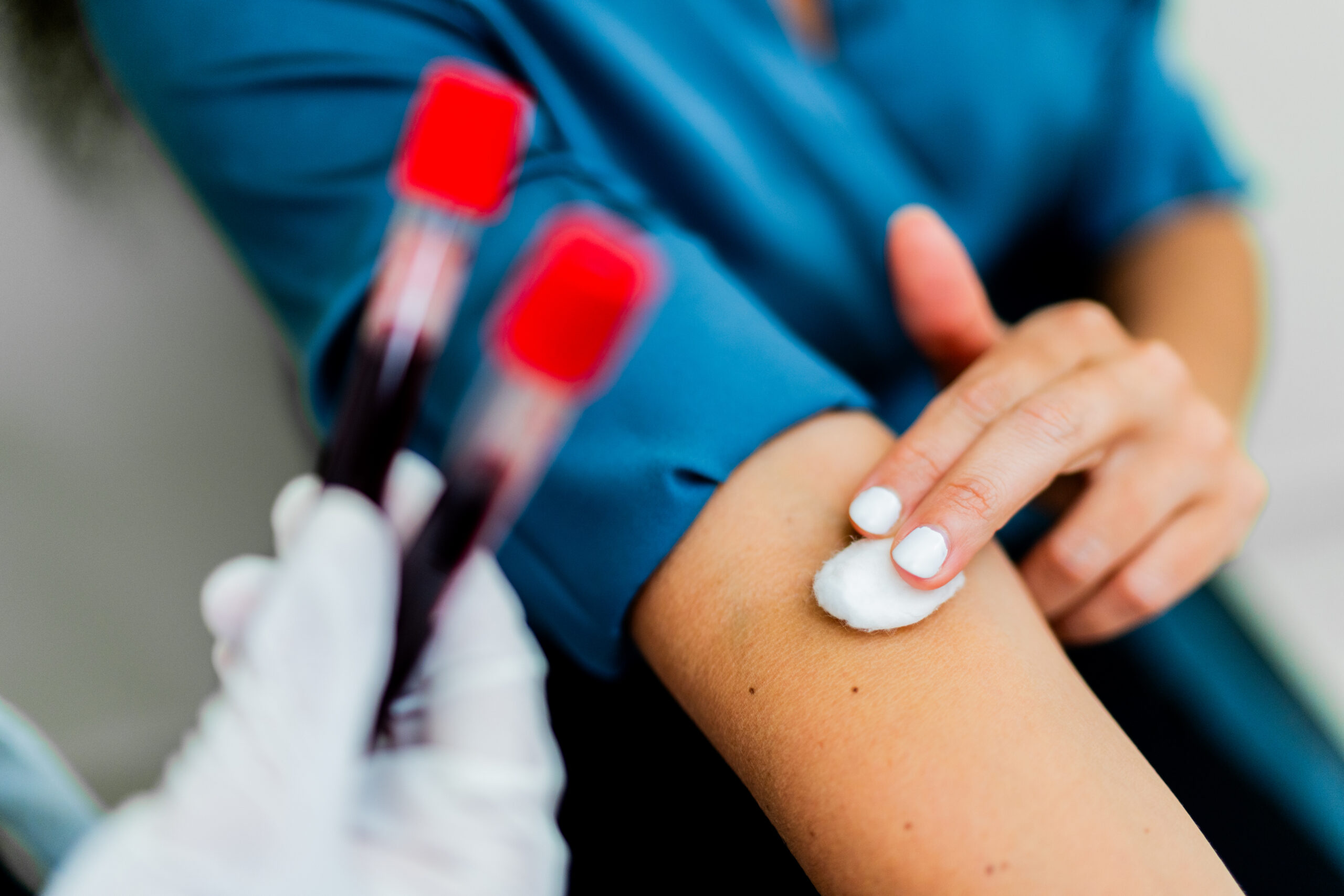
Blood-based testing can measure the number of microplastic particles circulating in your bloodstream. This allows providers to:
- Understand current exposure levels
- Establish a baseline
- Track changes over time
What our Clinical Trial Showed
Circulate Health, in collaboration with select partner clinics, conducted the first human clinical trial evaluating whether microplastics in the bloodstream can be reduced through Therapeutic Plasma Exchange (TPE).
THE RESULT:
A clinically significant, measurable reduction in circulating microplastics following treatment.
This marks an important step forward—moving from simply measuring environmental exposure to beginning to understand how it may be actively addressed.
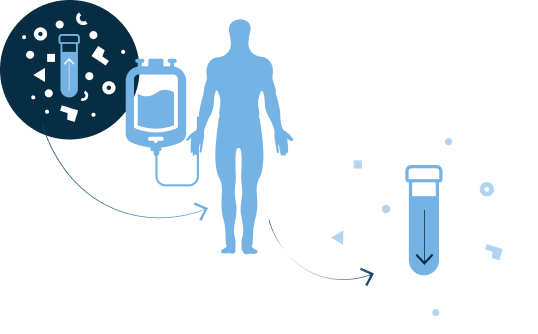
See how your body responds—before and after treatment.
Speak to a Circulate nurse to be referred to one of our clinics.
FAQs
What does my result mean?
Your result reflects the quantity of microplastics detected in your bloodstream at the time of testing, serving as an indicator of your current circulating burden and exposure.
Are microplastics harmful?
Research is ongoing. Scientists are studying how they may contribute to inflammation and long-term health effects.
What is Therapeutic Plasma Exchange (TPE)?
TPE is a well-established medical procedure that gently separates your blood to remove and replace the plasma — the liquid portion that carries proteins and other substances. This process helps clear harmful components that may contribute to inflammation, immune dysfunction, or accelerated aging.
Does insurance cover TPE?
TPE for this use is typically private-pay. Clinics will provide full details during consultation.